


Deck Stair Design Problems Homeowners Notice Too Late
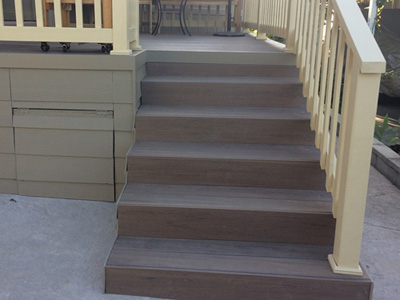 Deck stairs are one of the most used - and most overlooked - parts of an outdoor living space. On many Central Coast properties, especially around Edna, decks are built to bridge elevation changes, connect indoor living areas to the yard, and support outdoor entertaining. While the deck surface often gets the most attention during planning, stair design decisions are frequently made late in the process. The result is a space that looks complete but doesn't move well, feel safe, or function the way homeowners expected once it's in daily use.
The problems tend to show up gradually. What seems like a minor layout compromise during construction becomes a daily inconvenience - or even a safety concern - once people start using the stairs regularly.
Awkward Stair Placement That Disrupts Movement
One of the most common issues is simple placement. Stairs that are positioned without considering how people actually move through the space can feel out of sync with the rest of the layout.For example, a deck may be designed for entertaining with seating and dining areas, but the stairs are placed off to one side where they're not easily accessible. Guests end up walking across furniture zones or cutting through tight areas just to reach the yard. Over time, this creates wear patterns and frustration, especially during gatherings.
On sloped properties, poor placement can also disconnect the deck from the most usable parts of the yard. Instead of guiding people naturally toward pathways, lawns, or secondary patios, the stairs may drop into an inconvenient or underutilized area, making the overall layout feel fragmented.
Unsafe or Abrupt Transitions
Transitions between the deck and stairs - and between the stairs and the ground - are often underestimated. A stair system might technically connect two levels, but if the transition feels abrupt or unclear, it can make people hesitant when moving through the space.This is especially noticeable when stepping from a wide, open deck surface onto a narrow stair entry point. Without a clear visual or spatial cue, users may slow down, misstep, or feel unsure of their footing. At the bottom, stairs that end directly onto uneven ground, gravel, or a tight corner can create a similar issue.
These moments of hesitation may seem minor, but they affect how comfortable people feel using the space, particularly for children, older adults, or guests unfamiliar with the layout.
Poor Visibility at Night
Outdoor living doesn't stop when the sun goes down, but stair visibility often becomes a problem after dark. During the day, even poorly defined steps may seem manageable. At night, the same stairs can feel risky.Without proper lighting or clear step definition, it becomes difficult to judge depth, especially on longer stair runs or in areas with minimal ambient light. Shadows from nearby structures or landscaping can further obscure edges, increasing the chance of missteps.
Homeowners often only realize this issue after hosting evening gatherings or using the space at night, when the stairs suddenly feel less safe than expected.
Inconsistent Step Sizing That Feels "Off"
Even when stairs look visually aligned, inconsistent step height or depth can create a subtle but noticeable discomfort. People naturally fall into a rhythm when walking up or down stairs. When that rhythm is interrupted - even slightly - it forces users to adjust mid-step.This might show up as a slight hesitation, a shortened stride, or a feeling that something isn't quite right. Over time, this inconsistency becomes more apparent, especially for homeowners who use the stairs daily.
While this issue often originates during construction, it's rarely obvious until the stairs are used repeatedly. Once noticed, it can be difficult to ignore.
Narrow Landings and Tight Turns
Landings are meant to provide a pause point and help manage direction changes, especially on longer or multi-level stair systems. When landings are too small or poorly positioned, they lose their purpose.A narrow landing can feel cramped, forcing users to turn awkwardly or step carefully to avoid misalignment. This becomes more problematic when carrying items like food, drinks, or outdoor equipment. On decks designed for entertaining, where movement often involves multiple people at once, tight landings can quickly become bottlenecks.
On properties with multiple elevation changes, poorly designed landings can also break the natural flow between levels, making the entire system feel disjointed.
Disrupted Backyard Flow
Deck stairs play a major role in how the backyard is used. When they don't align with natural walking paths or activity zones, they can disrupt the overall flow of the space. For example, stairs that exit into the middle of a lawn or directly into a planted area can create awkward circulation patterns. Instead of guiding movement, they force people to navigate around obstacles or create their own paths over time. In Central Coast settings, where outdoor spaces often include multiple zones - such as seating areas, garden paths, and open yard space - this misalignment becomes more noticeable. The stairs should act as a connector, not a barrier.Drainage Exposure Near Stair Areas
Another issue that often becomes apparent over time is how water moves around the stair system. On sloped properties, stairs are frequently located in areas where runoff naturally travels.If drainage isn't considered in relation to stair placement, water can collect at the base or flow across steps during rain or irrigation. This not only affects usability but can also create slippery conditions.
Homeowners may not notice this immediately, especially in dry conditions, but it becomes a recurring problem during seasonal weather changes.
Railing Layouts That Feel Cramped or Unstable
Railings are essential for safety, but their layout and positioning can significantly impact how the stairs feel. Railings that are too close together, improperly aligned, or visually heavy can make a stairway feel narrow or confined.On wider staircases, poorly placed railings can interrupt the sense of openness, while on narrower stairs, they can make the space feel even tighter. In some cases, the railing design may also affect how secure users feel, particularly if it doesn't provide a consistent grip or visual boundary.
This is often something homeowners only notice after using the stairs regularly, when the physical and visual experience becomes more apparent.
Why These Issues Matter Over Time
Deck stairs are not just a connection point - they shape how the entire outdoor space is experienced. Problems with placement, sizing, visibility, or flow may seem minor during construction, but they have a lasting impact on usability.In areas like Edna and the broader Central Coast, where outdoor living spaces are used frequently and often connect multiple elevations, these details become even more important. A well-designed stair system should feel natural, safe, and intuitive, supporting how people move through the space rather than interrupting it.
When these elements are overlooked, the result is a deck that functions - but never quite feels right. Contact The Patio Cover Deck and Fence Co today at 805-235-2674 or contact us via this Online Form to schedule a consultation and start planning your deck stairs.
We Provide Services to the Following Cities, Towns and Surrounding Regions of CA: